August 21, 2026
Code Chooses Tools, Not LLMs
Why code should decide which tools to call, not LLMs. Deterministic tool calling vs agentic AI for money-critical decisions. Production refund system architecture.
Read MoreEngineering Insights
Insights, patterns, and production experience from our engineering team, no fluff, just real-world systems thinking.
Featured
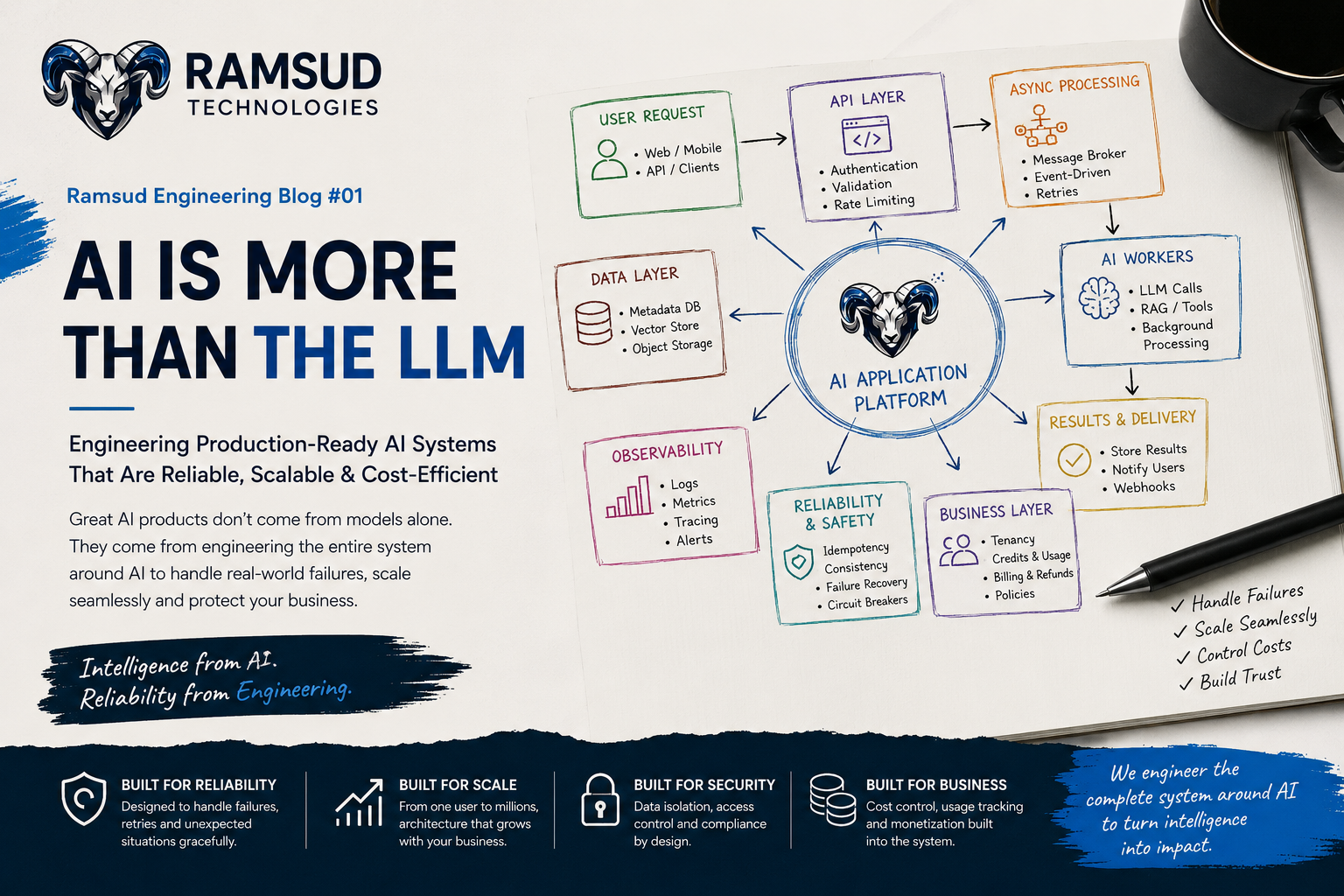
Why "choose an LLM, write a prompt, ship it" works for a demo—and what actually breaks when real users arrive. Lessons on distributed systems, reliability, and production architecture.
Read Full ArticleFrom the Blog
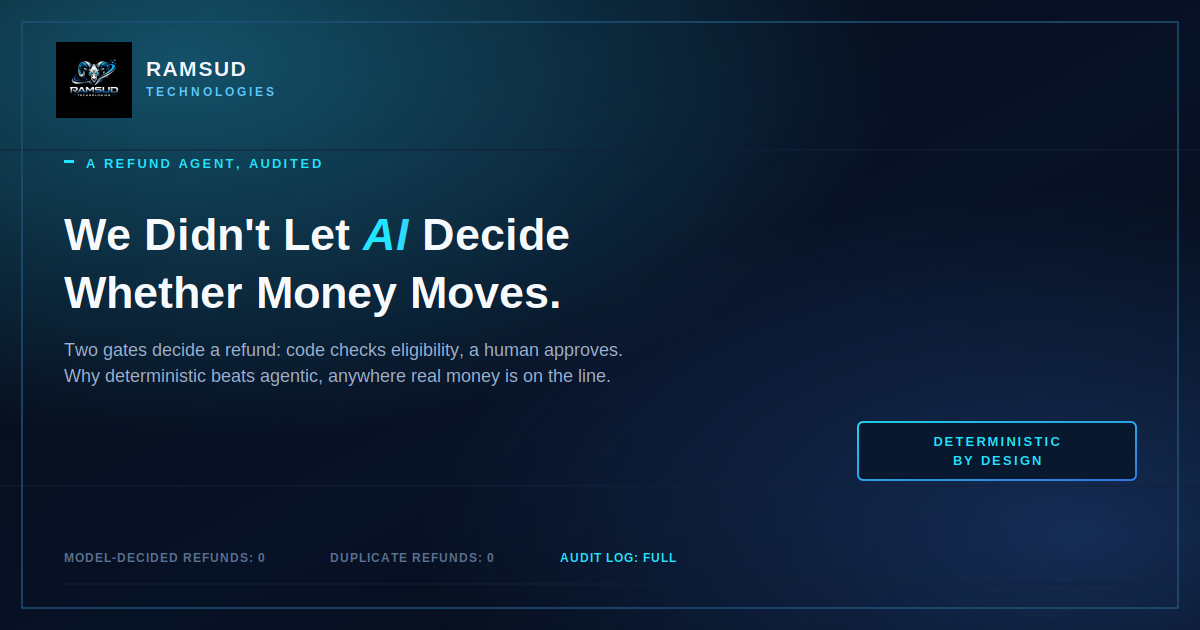
Why code should decide which tools to call, not LLMs. Deterministic tool calling vs agentic AI for money-critical decisions. Production refund system architecture.
Read More
Why "choose an LLM, write a prompt, ship it" works for a demo—and what breaks when real users arrive. Distributed systems, reliability, and production architecture.
Read More
Why LLM-generated curricula need a deterministic validation graph, not a longer prompt: topological sort, cycle detection, and the repair-loop architecture behind our EdTech platform's course generator.
Read More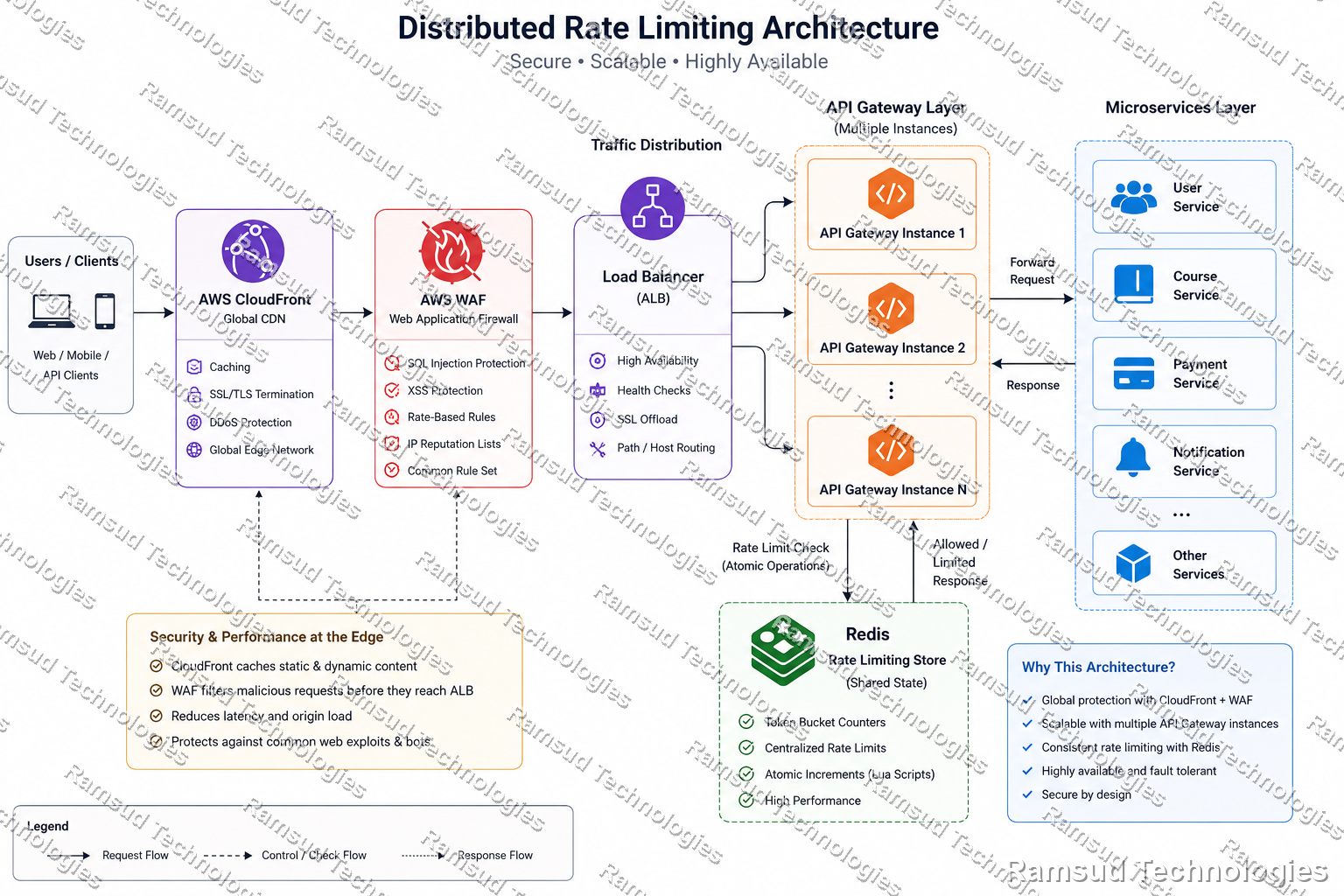
When a correct rate limiter becomes an incorrect architecture. How shared state, Redis, and layered edge protection solve the hardest distributed systems problems.
Read More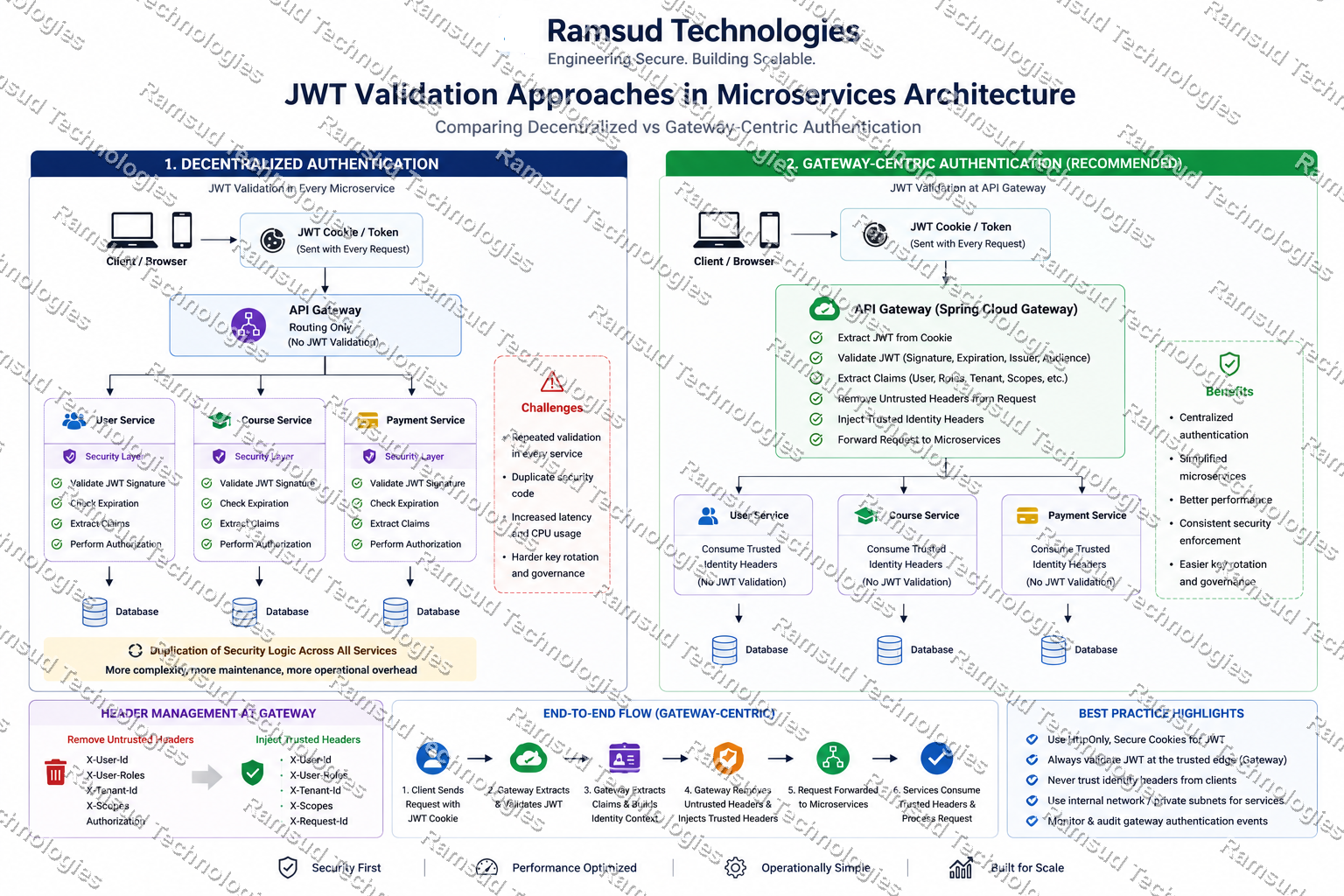
Gateway-centric, distributed, or internal tokens? A practical guide to JWT trust boundaries with real-world tradeoffs across four production patterns.
Read More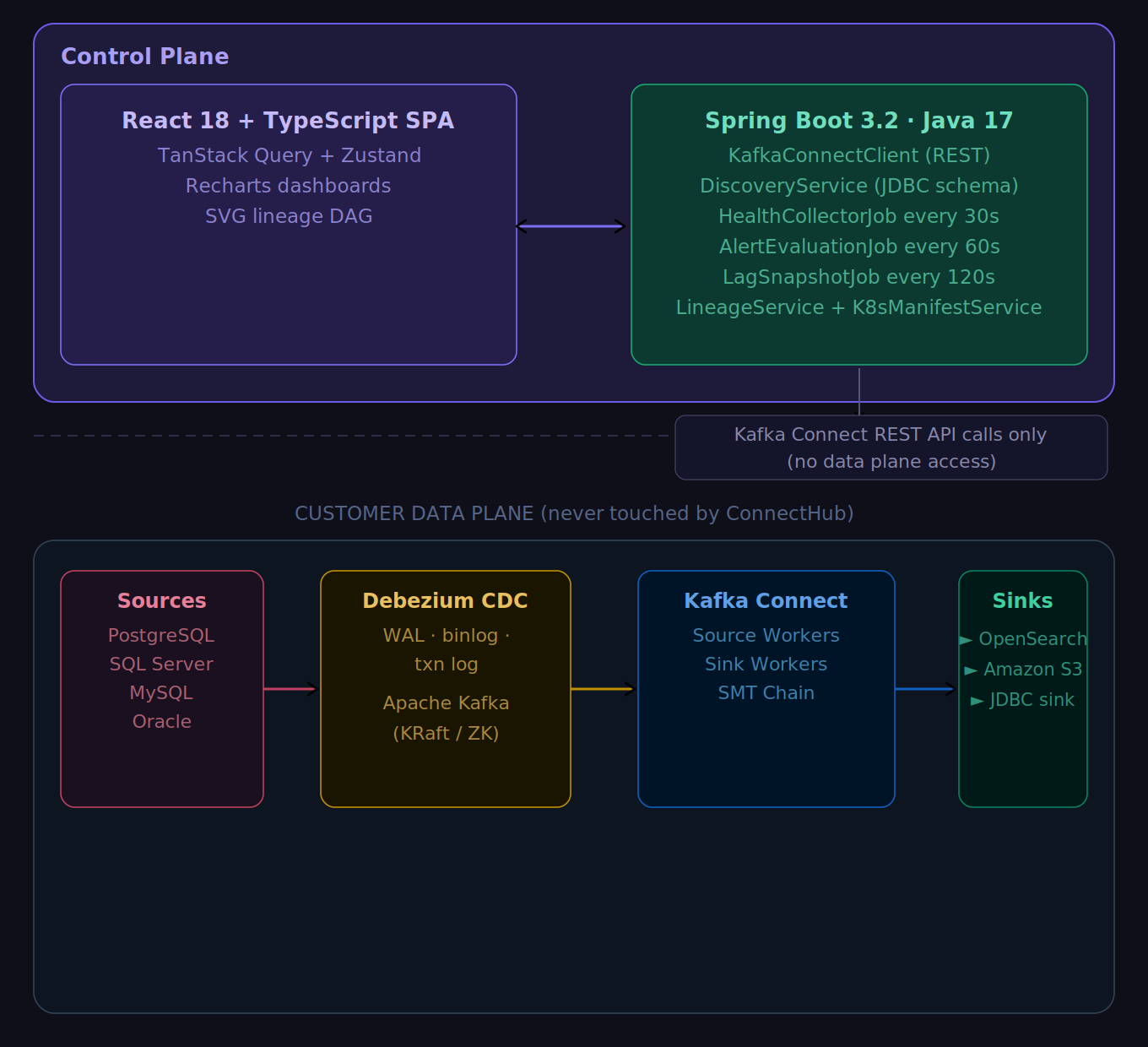
This is a situation many organizations encounter as they scale real-time data platforms. While synchronization technologies can move millions of records efficiently, business stakeholders ultimately care about one thing: whether the search results are correct. Here's how we approached that challenge using PostgreSQL, Kafka Connect, and OpenSearch.
Read More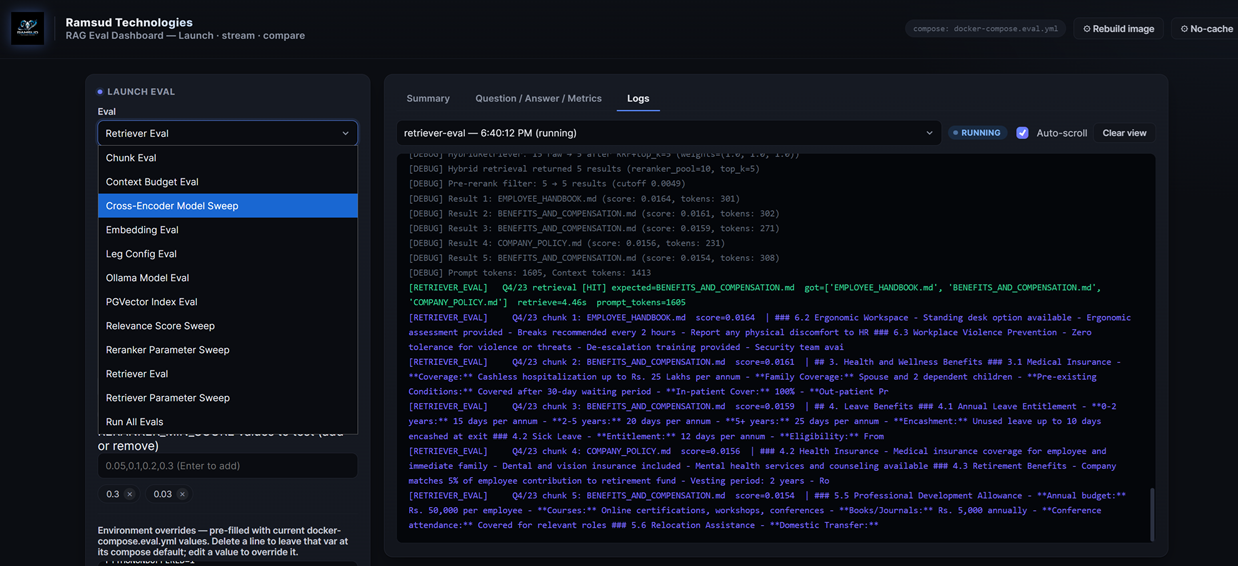
Inside the process behind a production-grade RAG system: quantitative evaluation, hybrid retrieval, reranking, and on-prem data governance.
Read More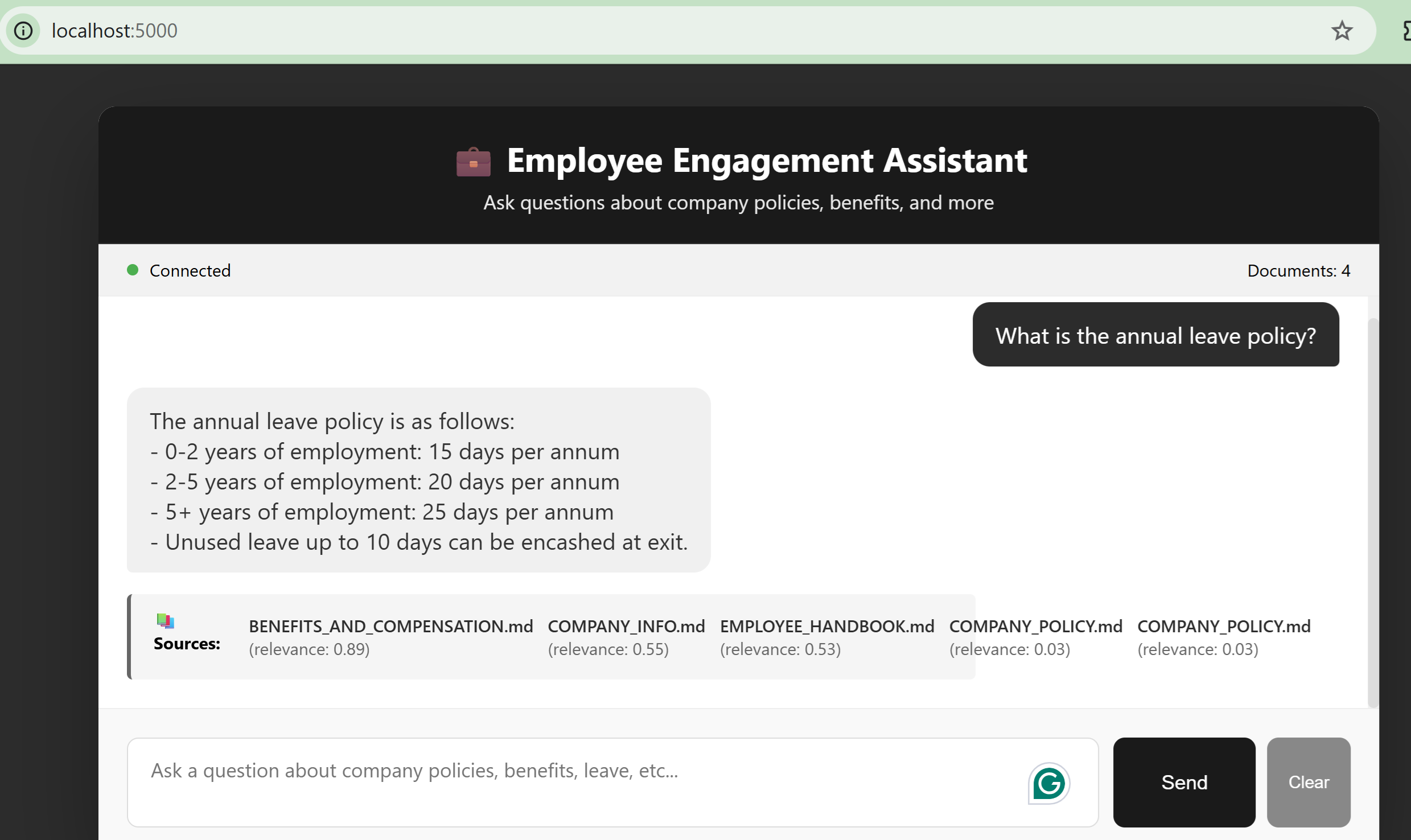
Part 1 of our RAG engineering series: hybrid retrieval, reciprocal rank fusion, cross-encoder reranking, and the roadmap that followed.
Read More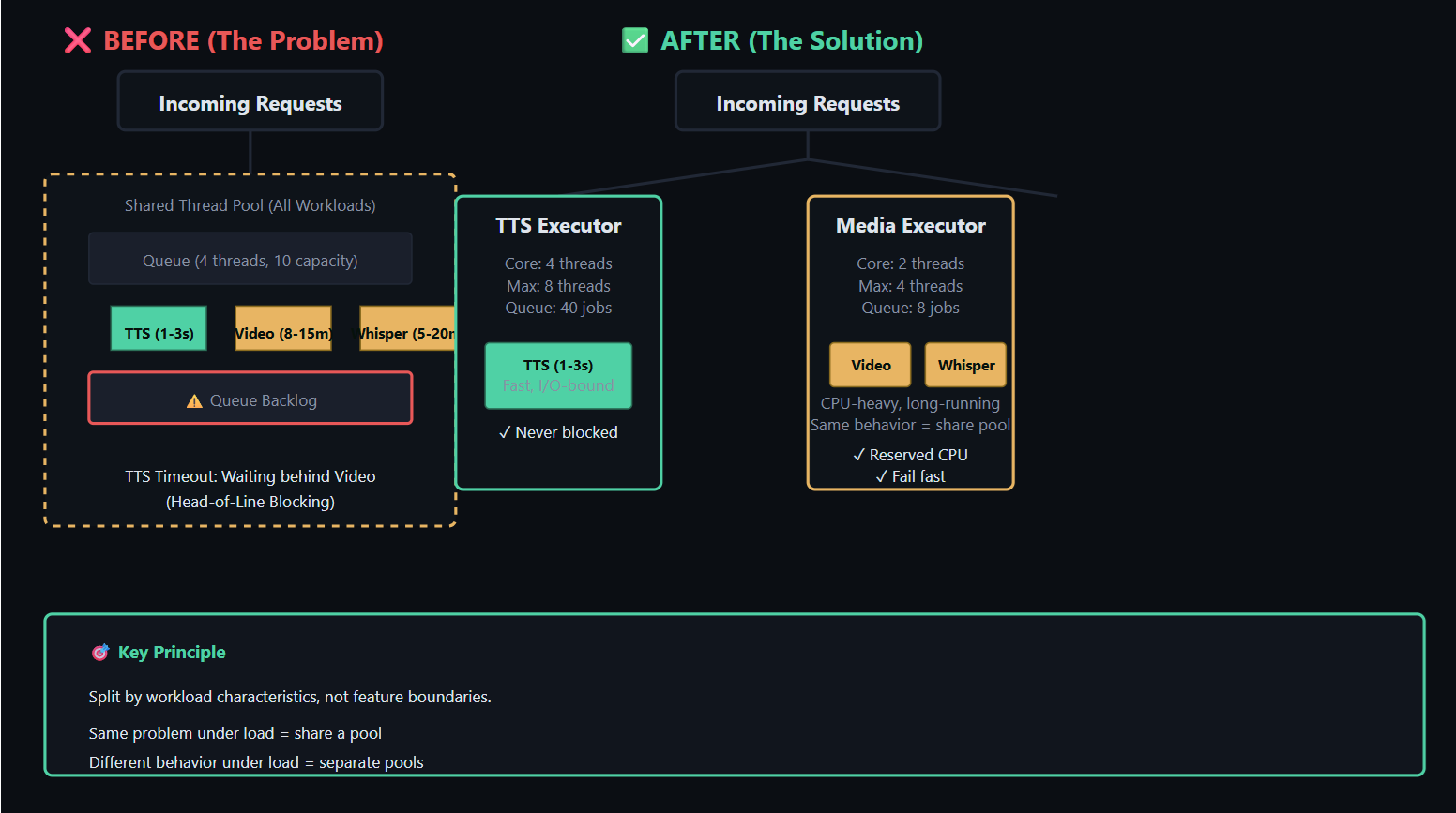
Latency spikes, timeouts and throttled-but-idle capacity are usually not capacity problems. A CTO's guide to workload isolation, container-aware pool sizing and backpressure.
Read More
Practical lessons from building Angular applications in production: signals, readonly semantics, and component architecture.
Read More